
In Prison Again!
Where I talked about folk and fairy tales!

Thanks for being here! If you were thinking I would be getting back to the Grail, and Percival/Peredur - I will. It’s a big story, and there have been a lot of things going on in life right now. I will be back with that story shortly! Promise.
I went to prison today. It’s a bleak place high up in the mountains of New Hampshire. There’s an irony to the place as when you park in the car park, it towers over you as you approach, razor wire everywhere making it pretty intimidating. And when you look around you see the most beautiful backdrop: the White Mountains. Sometimes the inmates get to see it too. This past weekend (31st May, 2026), the temps dropped and they had nine inches of snow up there. Now, it’s almost gone.
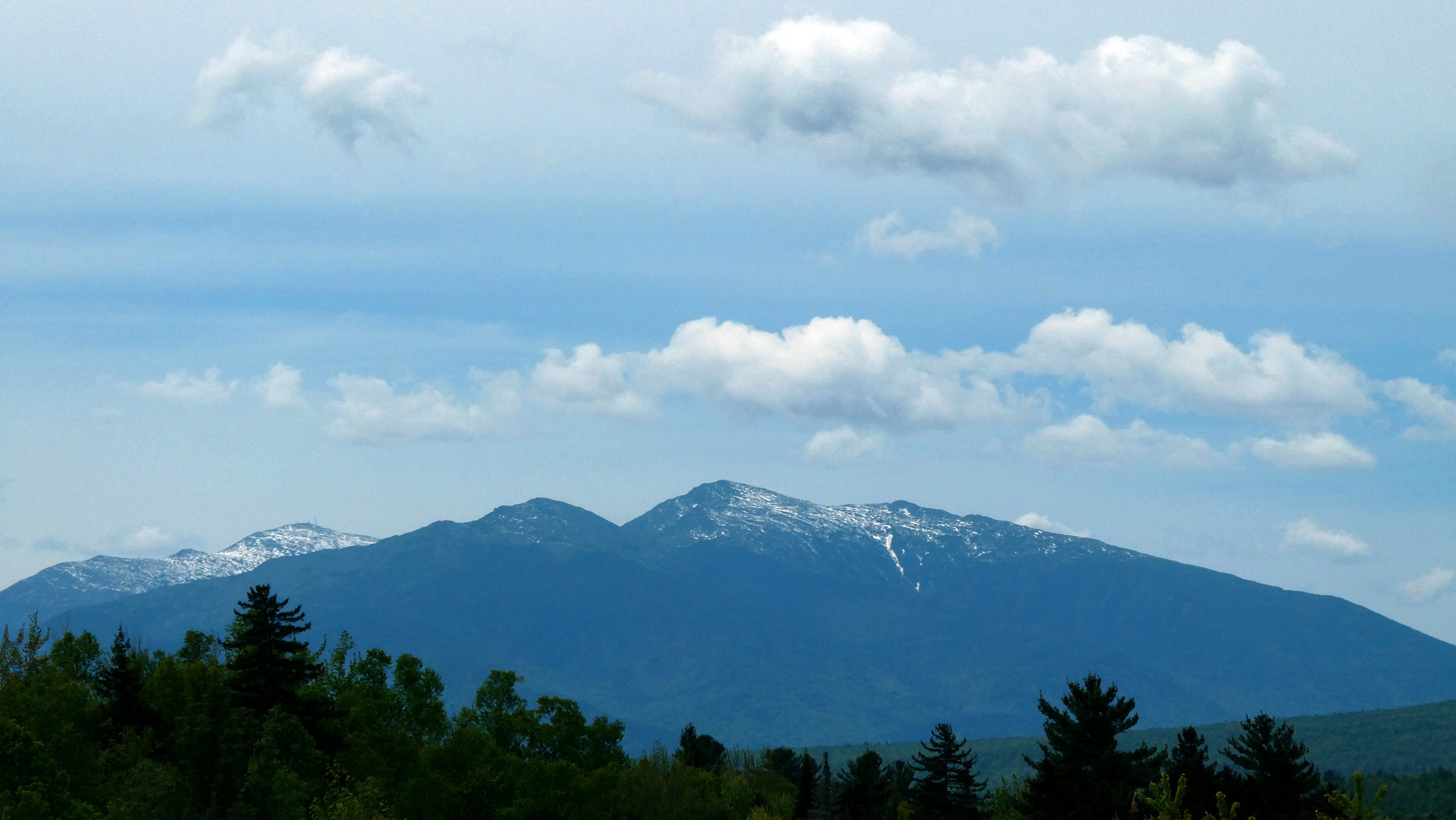
Taken from the roadside today, when I pulled over to get this photograph
So why was I there, in prison? For a book discussion group with a special group of men. I use the word special as these guys are not the general population; they have good behaviour records. These men have young families. They volunteer to help out at events. Many of them are, as far as I can see (and can make out), good people who made a really bad mistake, or decision and are paying a heavy price.
So, I was there to talk about this book I wrote, Under the Oaken Bough, a collection of folk and fairy tales. (The bough is the branch of the tree!) Not a book you might think ‘criminals’ could choose to read, but all of the men in the group have kids or grandkids on the outside. Some of these men have read all or some of these stories to their family members, or are planning on sending a copy of the book to their children. It was supposed to be a book discussion, but me, with my ADHD, went off topic and we talked a lot about a bunch of stories – not just the ones in the book - and we talked about why I tell these stories, how I tell these stories, and what they can mean.
I say what they can mean, because as I said to these men, I might tell a story but I cannot tell the audience how to hear the stories, or how to receive them. That’s all on the listener. Donald Davis has said something similar but way better and more succinct! For example, I can, and do, tell a story about a man who does not see the talents, the dreams, the skills of a woman who leaves him because of this. Some people might see themselves in the story and think they need to change. Someone might hear the story and think – I need a divorce! I hope that doesn’t happen unless it needs to happen. I don’t want to be the storyteller who breaks up marriages. I would, however, love to be the one who makes marriages stronger!
I once told a story in a community about a ferocious lion who was out of control. It’s a story from the Indian classic, the Panchatantra. The lion is a bully. As I began, I wondered if the audience might assume I was having a go at a certain administration, but then I thought they might think it was about different administration. I can’t tell people what to think. I could, but that’s not the point of folk and fairy tales. They are, I hope, making the listener think.
I asked the men what stories popped out, if any? There were a varied number of responses. Most, if not all, were tales where the little guy won, beating the overlord, the king, the trolls (ǂ), and monsters. Or the wily, crafty fox who saved his supper and was able to feed his family*. And then Kirk mentioned a story called The Three Green Sisters.
It is collected in Katherine Briggs’ Encyclopedia of British Folk Tales (Routledge) but I only remember hearing it when I was young and later reading it, but cannot find the story in any of her books. And I have quite a few. Anyway, she collected it, and I, and a number of other storytellers, tell the tale. Here is my retelling that appears in Under the Oaken Bough:
The Three Green Sisters, an English tale
There was once a farmer who had three sons. They lived together working their farm at the bottom of a small hill. On top of the hill were three great oak trees. The oaks were so broad and the branches so dense they created wonderful shade in the summer, and still blocked the wind in the cold, winter months. The farmer loved those trees. As a child he climbed the great oaks, and played in the tree house his father had built for him. His sweetheart, and later wife would swing under one of the longer boughs on a seat he had hung there for her. He took the swing down when she had passed away. His grandparents had told him stories under that same oaken bough. The farmer called them the Three Green Sisters.
Every Midsummer’s Eve, where some people would light great bonfires to celebrate, he would take his sons to gather marigolds which they would then place at the base of these three great oaks. He did this as a sign of thanks for the shade they gave in the summer and for the protection from the wind in the winter.
As happens to all, kings or stable boys, queens or milk maids, death came for the farmer. As he lay dying, he made his three sons promise they would always gather flowers and place them at the base of the Three Green Sisters every Midsummer’s Eve, in thanks for the shade they gave in the summer and for the protection from the wind in the winter. The three sons promised.
As was the custom back in those long ago days, when the farmer died, the eldest son took over the farm. He ran the farm well, but the young man was not as kind as his father. He was mean of spirit and sometimes mean in his actions. It came around to that time of year when they would gather the marigolds for the Three Green Sisters. The eldest son looked scornfully at the youngest. “We’ll not gather marigolds this year, nor any other. It’s an old superstition, and we don’t need to do it. What purpose does it serve, except to take us away from our duties?”
“But we promised Father on his death bed that we would give thanks to the Three Green Sisters. We promised Father we would keep putting flowers around the trees,” said the youngest.
“We will not. We need new fencing, and I will use one of the trees for the timber.” And with that the oldest boy took an axe.
The youngest lad grabbed his brother by the arm. “But we have other trees we could use for fencing.”
It did not matter. The oldest son took the axe, and with some great and mighty swings with it, felled one of the Sisters. As it came down, the splitting trunk made an almighty noise. To the youngest boy it sounded like the scream of a woman. The branches crashed and shattered. One great bough struck the oldest son and he was no more.
After the eldest lad was buried in the family plot, the middle son took over the farm. He was kinder than his older brother, and ran the farm well. He enjoyed being in charge. He had always felt neglected as the middle son, and he took to the role of head of household easily.
It came around to that time of year when they should gather the marigolds for the two remaining Green Sisters. The youngest said they should go and collect the flowers for the trees, in thanks for the shade they gave in the summer and for the protection from the wind in the winter. But the middle son looked scornfully at his younger brother. “It’s an old superstition. We won’t do it.”
“But we promised Father on his death bed that we would give thanks to the Three Green Sisters,” said the youngest.
“Well, first of all, there are only two now. And secondly the oak will make good panels for the barn which is in need of repair.”
“But we have other trees better suited for siding a barn. Let’s cut one of the other trees we have, one of the hemlocks, or spruce. You don’t have to get the flowers. I will gather the marigolds myself and put them around the base of the trees.”
“I am in charge now. This is my farm. You will do as I say. You will not gather flowers for those trees. They are trees and no more.” The middle son looked at his sibling and shook his head. “If I see you go anywhere near those trees, I will throw you off the farm with no more than the clothes on your back to call your own.” The youngest boy looked at his brother in horror.
The middle boy took the axe without a backward glance. With some great and mighty swings, he felled one of the two remaining Sisters. As the great oak’s flesh tore and the trunk began to bow to the ground, it seemed to the younger brother it sounded like the scream of a woman. Branches pushed into the ground before shattering, and one of the boughs struck the farmer’s middle son and he was no more.
The youngest son laid his brother to rest. The farm became his. When it came to that time of year in June when flowers are bright, and grass is green, the young lad took a basket and collected a great number of marigolds. On Midsummer’s Eve, he placed them lovingly around the two remaining stumps and the last Green Sister in thanks for the shade they had given from the sun in the summer and the shelter from the wind in the winter. He continued this practise every year. Of course a time comes in most men’s lives that they take a wife, and it was no different for this young farmer. After he was married, he and his wife would collect marigolds for Midsummer’s Eve and place them around the single Green Sister. When they had children, he taught them to do the same. And when his children had children of their own, he taught them too.
And now, after all these years, their great, great, great grandchildren still put flowers around the last Green Sister as a sign of thanks for the shade it gives in the summer and the protection from the wind in the winter.
You can still see the last Green Sister on top of the hill, as tall and strong as it was all those years ago. And as far as I know, marigolds are still placed at the base of that tree every Midsummer’s Eve.
Rewritten and retold by Simon Brooks © 2018
This story has fascinated me since I first heard it when I was young. Partly because I think I know where the farm is. I grew up in Worcester, England and there is a farm on the outskirts of the city, an old farm, with a hill behind it, and on top of the hill is an oak tree. This has to be where the story took place. I took the photograph of the farm to share with the audience after I tell the story.
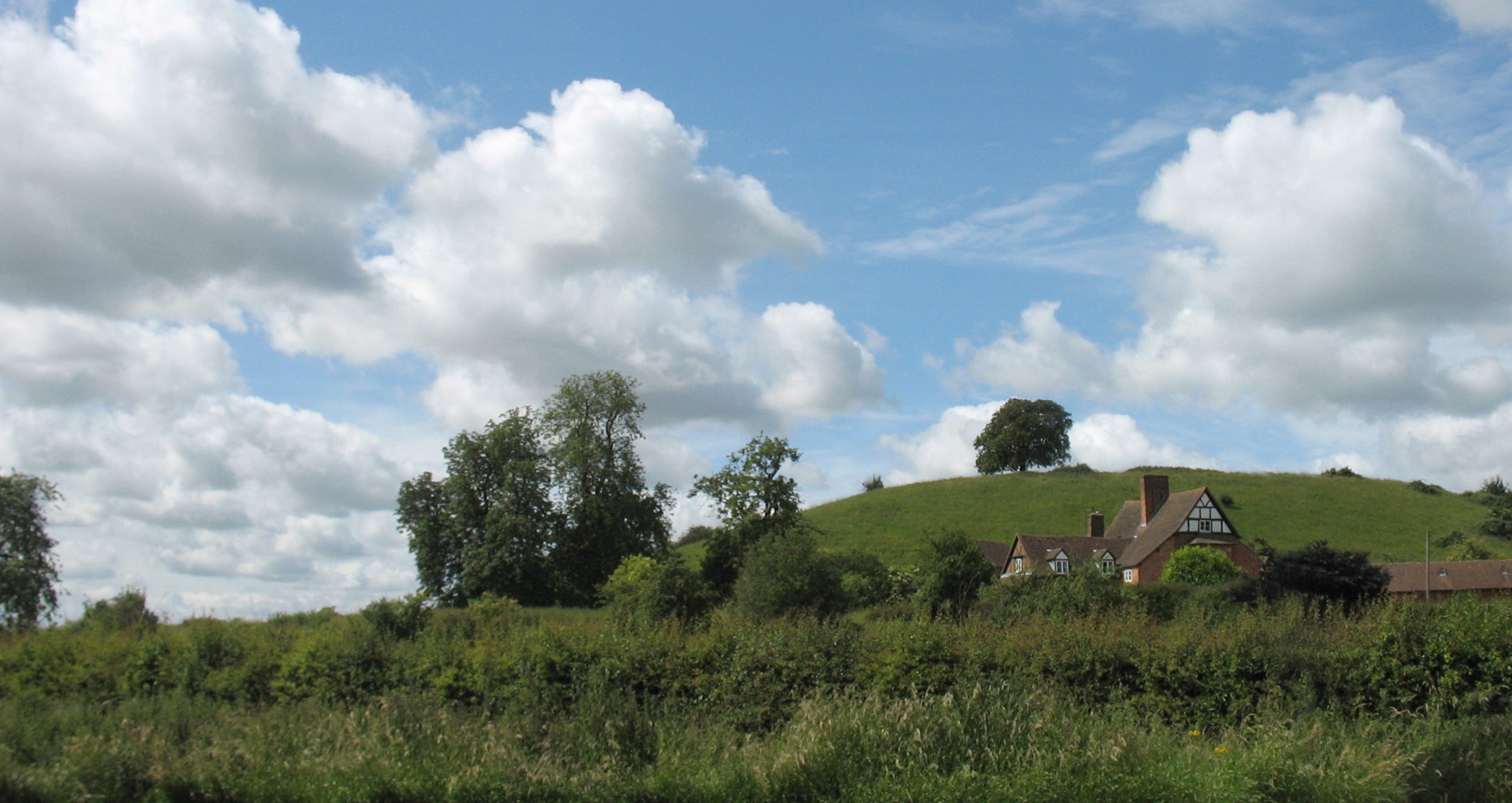
The last green sister on the hill behind the farm, Worcester, England. Photo by Simon Brooks © 2026
Kirk told us the tale of the green sisters resonated with him. He grew up in a rural area and his family’s property had trees they would cut down and those they would save. The story possibly touched him on a deeper level than most others because of this. Kirk told me he didn’t like the ending. He wanted the two felled trees to grow back.
I have had many people talk about this story. Some say the brothers had every right to cut down the trees as the farm was now theirs. Others people think they should have followed the father’s wishes. All Kirk wanted was the two oaks to come back – that’s what nature does – it comes back. What do you think?
My thoughts are that the ending, as it stands above, has a lot of power because of what happens to the trees. It’s a big deal. They are felled with lack of respect, in my mind, to the father’s request, to the trees that gave them shelter in the winter from the wind and from the sun in the summer. There were plenty of other trees they could have used. It’s a big moment. For me, that was where the story needed to sit: The trees are gone. They are not coming back.
Kirk didn’t like that. He told us that nature always returns, and shoots might have sprung up from the trunks and they might have grown back. We talked about this for a while, then Kirk dropped a bomb on us. Maybe the sisters don’t grow back. Maybe two more trees grow, and they are the daughters of the one remaining sister. That stopped me. So…
Over time, two more trees began to grow on either side of the remaining sister. And the great, great, great grandchildren put flowers around that last Green Sister and her two daughter oak trees as they too reached up and out. Marigolds left as a sign of thanks for the shade they give in the summer and the protection from the wind in the winter.
And as far as I know, marigolds are placed at the base of those trees every Midsummer’s Eve, still today.
This is how folk stories grow and change. Folk tales are living things. It needs some work, I know, but I might just be telling this version moving forward.
Thank you, Kirk. And it was a beautiful drive home, too!
Peace,
Simon
Who is Kirk?
A lovely story within a story and a very powerful revision. Suggest that when you tell it, and tell the new story, that you interrupt and share how Kirk's story changed your story.